
If you've ever ended a long day with aching arches, sore heels, or that deep, grinding fatigue that starts in your feet and works its way up your entire body, you already know how much foot pain can quietly wreck your quality of life. Finding the best insoles for foot pain isn't just about comfort. It's about getting your life back, whether that means finishing a workout without wincing, standing through a full shift without dreading the walk to your car, or simply waking up the next morning ready to move again.
This guide breaks down exactly what separates a genuinely helpful insole from one that just adds a little padding and calls it a day. We'll cover what to look for, how to evaluate your options honestly, and why Zenpace Massage Insoles have become a go-to choice for fitness enthusiasts and everyday movers alike.
Why Foot Pain Happens in the First Place
Most foot pain isn't random. It's the result of your feet absorbing forces they weren't quite designed to handle alone, especially inside modern shoes that prioritize style over support. Every step you take sends a wave of impact through your foot, and without the right support underneath, that energy has nowhere productive to go.
The result? Plantar fasciitis that makes your first morning steps feel like walking on broken glass. Heel pain that flares up halfway through a run. Arch fatigue that turns a casual gym session into something you dread. Ball-of-foot soreness that makes standing at a concert or a farmers market feel like a punishment.
What makes this worse is that most stock insoles that come with shoes are essentially decorative. They're thin, flat, and designed to look finished, not to actually support the complex biomechanics of your foot. Swapping them out for something purpose-built is often the single highest-impact change you can make.
The Compounding Effect of Ignoring It
Here's what most people don't realize: foot pain rarely stays in the foot. When your feet hurt, you unconsciously shift how you walk. That altered gait puts stress on your knees, your hips, and eventually your lower back. What started as a nagging heel becomes a chain reaction through your entire body. Addressing foot pain early, with the right support, can prevent a long list of downstream problems that are much harder to fix later.
What to Actually Look for in Insoles for Foot Pain
Shopping for insoles can feel overwhelming. The market is flooded with options that all promise relief, but not all insoles are created equal. Here's a practical framework for evaluating what will actually help versus what's just marketing.
Cushioning That Absorbs Impact, Not Just Adds Bulk
There's a meaningful difference between an insole that feels soft underfoot and one that genuinely absorbs the shock of impact. Thick padding alone can actually make things worse by changing the height inside your shoe and throwing off your natural foot position. What you want is responsive cushioning that compresses on impact and springs back, keeping your foot properly positioned throughout your stride.
Arch Support That Matches Your Foot Type
Not every arch is the same, and a one-size-fits-all approach to arch support is one of the most common mistakes insole buyers make. Flat feet need more medial support to prevent inward rolling. High arches need cushioning in the arch itself to bridge the gap between foot and ground. Neutral arches need balanced support that doesn't overcorrect. Before buying, it's worth understanding which category your feet fall into. A quick wet test (stepping on a piece of cardboard with a wet foot) can tell you a lot.
Surface Texture and Foot Stimulation
This is where a lot of conventional insoles fall completely flat. A smooth, passive surface does nothing to engage the muscles and nerves in your foot. Insoles with a textured, stimulating surface work differently. They gently activate the pressure points across your sole as you move, improving circulation, reducing fatigue, and giving your foot a kind of continuous, low-level massage throughout the day. For people who are on their feet for hours, this difference is enormous.
Breathability and Long-Wear Comfort
An insole that traps heat and moisture becomes uncomfortable fast. If you're working out, commuting, or spending long hours on your feet, you need something that allows airflow to keep your foot environment fresh. This matters not just for comfort but for foot health overall.
Fit and Versatility
The best insole in the world does nothing if it doesn't fit your shoe properly. Look for options that can be trimmed to fit or that come in multiple sizes with a consistent fit profile. You should also think about whether you want something you can move between different pairs of shoes, since having to buy multiple sets for different footwear gets expensive quickly.
"The right insole doesn't just reduce pain. It changes how you feel about being on your feet. That shift in confidence and energy is often more valuable than the pain relief itself."
The Best Insoles for Foot Pain: A Closer Look at Your Options
The insole market broadly breaks down into a few categories. Understanding where each type excels, and where it falls short, helps you make a smarter decision.
| Insole Type | Best For | Limitations |
|---|---|---|
| Rigid Orthotics | Severe pronation, clinical conditions | Expensive, uncomfortable during break-in, prescription required for best results |
| Gel Insoles | Heel cushioning, occasional wear | Can shift inside shoe, limited arch support, no active stimulation |
| Foam Insoles | General comfort, casual wear | Compress over time, lose effectiveness quickly, passive surface |
| Massage/Acupressure Insoles | Active recovery, daily wear, circulation, fatigue reduction | Slight adjustment period for sensitive feet |
For most fitness enthusiasts and health-conscious individuals dealing with everyday foot pain, the massage insole category offers the most complete solution. It combines cushioning, support, and active stimulation in a way that passive options simply can't match.
The Case Against Generic Pharmacy Insoles
The insoles you grab off a pharmacy shelf for a few dollars have their place, but that place is not serious foot pain relief. They're typically made to a generic shape that doesn't account for the variation in human feet, they flatten out within weeks of regular use, and they do nothing to actively support recovery or circulation. If you've tried these and found them disappointing, that's not a coincidence.
Are Custom Orthotics Worth It?
Custom orthotics from a podiatrist can be genuinely effective for specific clinical conditions. But they come with a significant price tag, often several hundred dollars per pair, and they're designed for correction rather than comfort and recovery. For the vast majority of people dealing with general foot pain, plantar fasciitis, or workout-related soreness, a high-quality over-the-counter insole with the right design features will deliver comparable everyday relief at a fraction of the cost.
Why Zenpace Massage Insoles Stand Out
Among the best insoles for foot pain available today, Zenpace Massage Insoles occupy a genuinely interesting position. They're not just a cushioning product. They're designed around the idea that your feet deserve active care throughout the day, not just passive protection.
The Massage Effect You Can Actually Feel
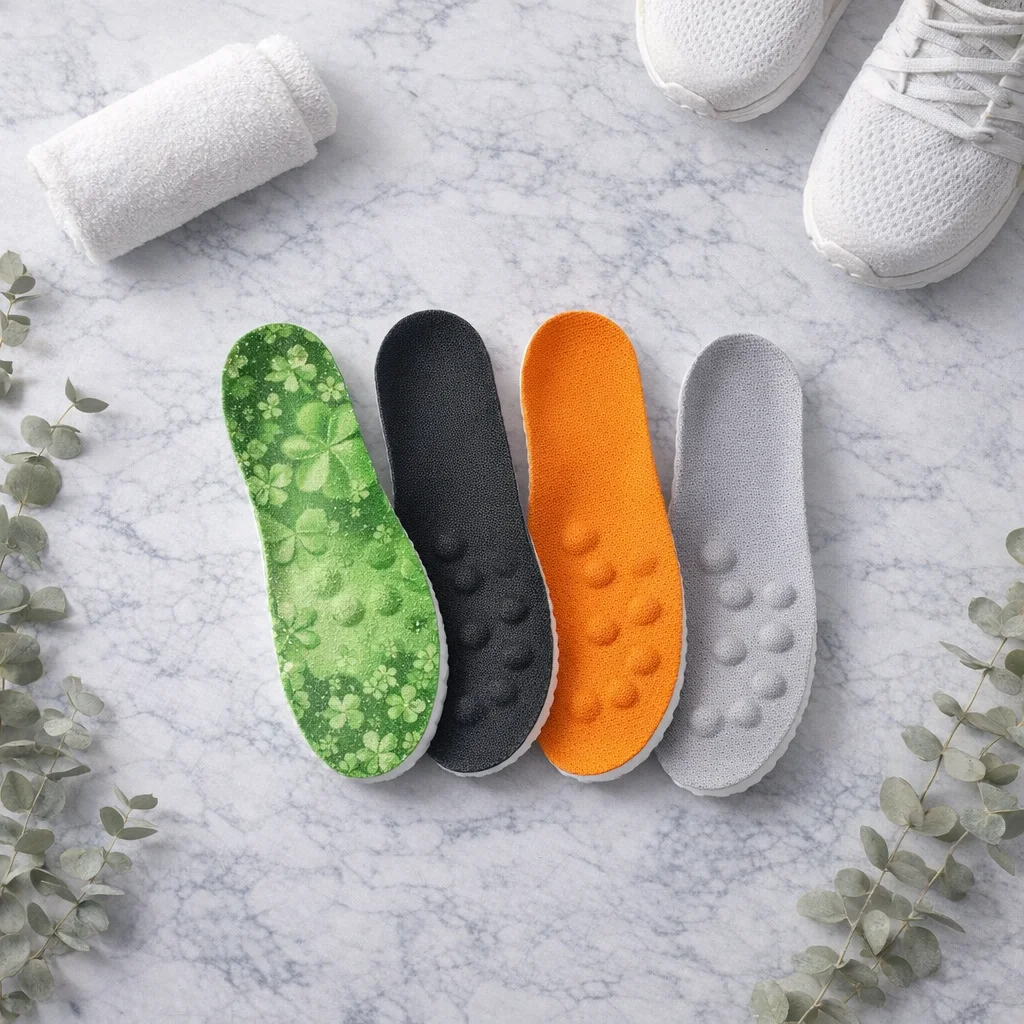
The raised texture across the entire surface of these insoles isn't decorative. Every step you take engages dozens of pressure points across the sole of your foot, stimulating circulation and gently working the muscles that spend most of the day compressed and underworked inside a shoe. After a long gym session or a full day on your feet, this makes a noticeable difference in how your feet feel by evening.
Think of it like this: a standard insole is a passive surface. A Zenpace insole is more like having a continuous, gentle foot massage happening in the background of your day. The cumulative effect over hours of wear is significant.
Cushioning That Holds Up
One of the most frustrating things about cheaper insoles is how quickly they flatten out. You get a week of relief, and then they've compressed into something barely different from the original shoe insert. Zenpace insoles are built to maintain their cushioning over extended use, so the support you feel on day one is still there on day sixty.
Breathability for All-Day Wear
The perforated base layer isn't an afterthought. It's a deliberate design choice for people who are actually active, people who sweat, move, and need their footwear to keep up. Whether you're in the gym, running errands, or standing through a long workday, your feet stay cooler and more comfortable.
A Design That Respects Your Style
This might seem like a minor point, but it matters more than people admit. Insoles that look great give you a small but real psychological boost every time you put your shoes on. Zenpace offers these in multiple vibrant colorways, from bold lime green with floral accents to charcoal and burnt orange, so your insoles feel like a choice you made, not a medical compromise you settled for. For style-conscious fitness enthusiasts, that personality is part of the appeal.
"Foot pain relief shouldn't mean giving up on the things you love. The right insole fits into your life, your workout, and your style without asking you to compromise."
Honest Consideration: The Adjustment Period
If you have particularly sensitive feet or you've never used a textured insole before, there can be a brief adjustment period of a few days while your feet get used to the stimulation. This is normal and typically resolves quickly. Starting with a few hours of wear per day and building up is the recommended approach for anyone who finds the initial texture intense.
Who Benefits Most from Massage Insoles
While almost anyone dealing with foot discomfort can benefit from upgrading their insoles, certain groups see the most dramatic improvement.
Gym-Goers and Runners
High-impact exercise puts enormous cumulative stress on your feet. The combination of cushioning and active stimulation in massage insoles helps with both performance during your workout and recovery afterward. Runners dealing with plantar fasciitis or heel pain in particular often find that upgrading their insoles is the single most effective intervention they can make short of changing their footwear entirely.
People Who Stand for Long Hours
Teachers, healthcare workers, retail employees, chefs. Anyone who spends six or more hours on their feet knows the specific, grinding fatigue that builds through the day. Massage insoles help combat this by keeping circulation active and reducing the static pressure buildup that causes that deep aching feeling.
Health-Conscious Individuals Focused on Recovery
If you take your wellness seriously, you already think about sleep, nutrition, and mobility work. Foot health is a logical extension of that mindset. Insoles that actively support your feet throughout the day are part of a broader approach to keeping your body functioning well, reducing inflammation, and staying active without the interruption of preventable pain.
Anyone Coming Back from Foot or Lower-Body Injury
Returning to activity after plantar fasciitis, a stress fracture, or ankle issues requires careful management of impact and support. Massage insoles provide a gentle, supportive environment for reintroducing load to healing tissues while keeping circulation moving in ways that support the recovery process.
Frequently Asked Questions
How long does it take for insoles to relieve foot pain?
Most people notice a meaningful improvement within one to two weeks of consistent use. For chronic conditions like plantar fasciitis, the timeline can be longer, typically four to eight weeks, because the underlying tissue needs time to heal alongside the improved support. The key is wearing your insoles consistently rather than only when pain flares up.
Can I use insoles in any type of shoe?
Most quality insoles, including Zenpace Massage Insoles, are designed to be trimmed to fit a range of shoe sizes and styles. They work well in athletic shoes, trainers, and casual sneakers. They're less suitable for very narrow dress shoes or shoes with a built-in orthotic system that can't be removed. The general rule is: if your shoe has a removable stock insole, it can almost certainly accommodate an aftermarket replacement.
Are massage insoles safe for plantar fasciitis?
Yes, for most people. Gentle stimulation of the plantar fascia and surrounding muscles can actually support recovery by improving circulation and keeping the tissue mobile. However, if you're in an acute phase of plantar fasciitis with significant inflammation, you may want to start with shorter wear periods and build up gradually. As always, if you have a diagnosed condition, checking with a podiatrist or physiotherapist before making changes is a smart step.
How often should I replace my insoles?
A good quality insole used daily by an active person typically lasts six to twelve months before the cushioning and support noticeably degrade. Signs it's time to replace them include visible compression of the cushioning layer, reduced arch support, or a return of foot pain that had previously been managed. Replacing insoles proactively before they fully break down is better than waiting until pain returns.
Do I need different insoles for the gym versus everyday wear?
Not necessarily. A versatile insole designed for active use, like the Zenpace Massage Insoles, can perform well across both contexts. That said, if you're doing very high-intensity training with significant lateral movement, you might prefer a second pair dedicated to your training shoes so you're not constantly swapping them between footwear. The convenience of having a pair in each of your most-used shoes is worth considering.
Our Recommendation
After walking through everything that separates a genuinely effective insole from a forgettable one, the conclusion is straightforward. If you're dealing with foot pain and you want a solution that works with your active lifestyle rather than around it, the Zenpace Massage Insoles are worth your attention.
They deliver on the things that matter most: real cushioning that holds up over time, active stimulation that keeps your feet feeling better throughout the day, breathability for all-day wear, and a design that doesn't make you feel like you're wearing medical equipment. For fitness enthusiasts, gym-goers, and anyone serious about their health and recovery, these check every meaningful box.
The best insoles for foot pain are the ones you'll actually wear consistently. And when an insole is this comfortable and this well-designed, consistency takes care of itself.